
Picquart’s Four Principles
An Officer and a SpyThis thread follows the four investigative principles Picquart adopts as a discipline against panic, faction, and premature certainty.
increasing Bearing strength in each event
 decreasing
Bearing strength in each eventdecreasingA First Discovery
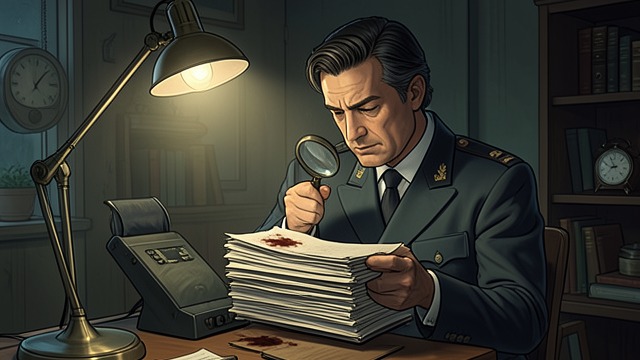
A First Discovery
The petit bleu appears
Georges Picquart receives the reconstructed message addressed to Esterhazy and recognizes its importance. He also knows it could be planted or misunderstood.
Caution before accusation
He decides not to announce a conclusion immediately. The need for a step-by-step inquiry becomes the foundation of his personal method.
Testing the Suspect
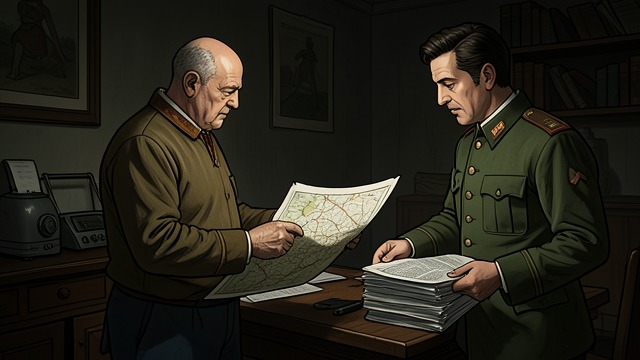
Testing the Suspect
Independent inquiries
Picquart visits Rouen, consults Albert Curé, and gathers information about Esterhazy’s debts and military conduct. He commissions Desvernine rather than relying solely on Henry’s agents.
Evidence before certainty
He collects multiple kinds of information and recognizes their limits. This process distinguishes his investigation from the original rush to make Dreyfus fit a theory.
The Secret File Reopened

The Secret File Reopened
A dangerous examination
Picquart reviews the dossier that helped convict Dreyfus, despite knowing that senior officers expected it to remain inaccessible. He finds conjecture and no direct proof.
The principles under pressure
He resists both panic and institutional pressure, checking the file against the new handwriting evidence. His method leads toward the conclusion that the earlier case was unsafe.
The Archive Break-In
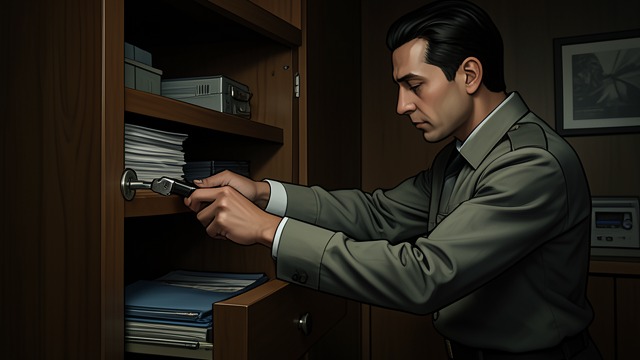
The Archive Break-In
A secret search
Picquart uses lock-picking tools to search Gribelin’s archive after discovering that official channels are blocked. He records each document’s location and restores the files.
Evidence against the theory
He finds that “D” referred to Dubois and learns that the true Panizzardi decryption contradicted the prosecution. The evidence is compelling, but acquiring it risks his career and legal standing.
The Method’s Cost
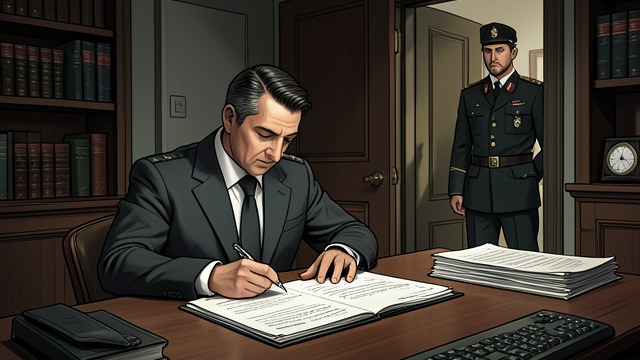
The Method’s Cost
Record preserved
Picquart keeps reports, correspondence, and copies of documents as he is transferred and later imprisoned. The careful record allows other advocates to reconstruct what happened.
Discipline without immunity
His principles do not protect him from false accusations or confinement. They do, however, preserve a coherent account that survives long enough to support legal review.
March 1896
Spring 1896
August 1896
September 1896
1897–1898
